

Introduction: From Execution to Intelligence
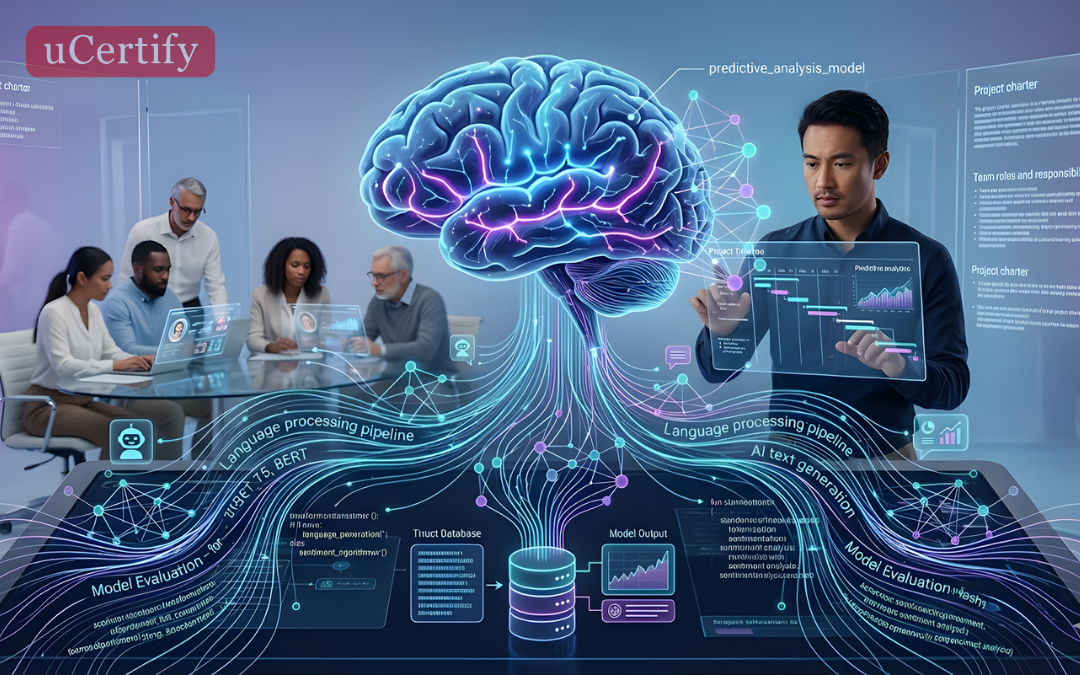
AI-driven project management is no longer an experimental layer in project management—it is becoming part of how projects are planned and delivered.
The biggest shift is not automation alone, but how decisions are made. Instead of reacting to delays or risks after they occur, project managers can now anticipate them using data patterns. This changes the role from task coordination to outcome prediction.
What Is AI-Driven Project Management?
AI-driven project management integrates technologies like machine learning, natural language processing, and predictive analytics into workflows to improve planning and execution.
Traditionally, project managers track timelines, dependencies, and risks manually. AI systems, however, continuously analyze both historical and real-time data to surface insights.
For example, if past projects consistently slowed down when workload crossed a certain threshold, AI can flag the same risk early—before it affects delivery.
The goal is not replacement, but better, faster, and more informed decision-making.
Why Traditional Project Management Falls Short
Modern projects involve distributed teams, dynamic requirements, and tight deadlines. Static planning methods struggle in this environment because they depend on manual updates and assumptions.
AI introduces adaptability. Plans are no longer fixed—they evolve based on real-time inputs. Instead of updating schedules after delays happen, AI helps adjust them as conditions change.
This shift is what makes AI valuable—not just automation, but continuous alignment with reality.
Heading Of The CTA

AI-Driven Project Management
Discover how AI can make project management more efficient, more focused, and more successful.
Learn MoreCore Benefits of AI in Project Management
1. Reduced Manual Work
Repetitive tasks such as reporting, documentation, and progress tracking can be automated. This frees up time for higher-value activities.
2. Data-Driven Decisions
AI replaces guesswork with insights. Budget forecasts, timelines, and risk assessments become more accurate because they are based on patterns, not assumptions.
3. Early Risk Detection
Instead of identifying issues late, AI highlights early warning signals—like workload imbalance or task delays—allowing proactive action.
Practical Applications of AI in Projects
AI becomes useful when applied to real workflows. Common use cases include:
- Intelligent scheduling based on team capacity
- Dynamic task prioritization
- Automated status updates and summaries
- Predictive risk identification
For instance, if testing phases are consistently underestimated in past projects, AI can recommend realistic timelines for future planning. Beyond scheduling, project managers are adopting AI note taking to capture stakeholder and stand-up conversations automatically, so the written record is ready before the next decision is needed.
Smarter Resource Management
Managing resources is no longer just about allocation—it’s about optimization.
AI evaluates workload, skill sets, and performance trends to suggest the most effective task distribution. It can also detect sustained overload, helping prevent burnout and maintain productivity.
This creates a balance between efficiency and team well-being.
How AI Is Redefining the PM Role
As operational tasks become automated, the project manager’s role shifts significantly.
Instead of focusing on tracking and coordination, the emphasis moves to:
- Interpreting insights generated by AI
- Making strategic decisions
- Managing stakeholders
- Handling uncertainty and trade-offs
Project managers evolve into decision-makers and problem-solvers, rather than just executors.
Challenges to Consider
Adopting AI comes with practical challenges:
- Data Quality: Poor data leads to unreliable insights
- Adoption Resistance: Teams may hesitate to trust AI recommendations
- Over-Reliance Risk: AI supports decisions but should not replace human judgment
Successful adoption depends on balancing technology with human oversight.
The Future: Human + AI Collaboration
The future of project management lies in combining human judgment with machine intelligence.
AI will increasingly explain its recommendations, making decision-making more transparent. Project managers who adapt to this shift will operate with greater clarity and confidence.
Conclusion: Start Small, Scale Smart
AI-driven project management is not about transformation overnight. It starts with small, practical steps:
- Automate one repetitive task
- Use AI insights to support decisions
- Gradually expand adoption across workflows
Those who embrace this shift early will move ahead—not by working harder, but by working smarter with better information.
_0012KH.webp)
_0011yX.webp)
_0013Kw.png)


No Comments Yet
Be the first to share your thoughts on this post!